
Environmental Analysis
Environmental analysis involves the quantitative assessment and generation of data, monitoring of pollution, ensuring legal compliance, and validating the effectiveness of pollution control technologies. The core areas of environmental analysis and certification include Water and Wastewater, Air and Emissions, Indoor Air Quality, Industrial Gases, Ambient and Industrial Noise, Solid and Hazardous Waste, and Soil Quality.
Water and Wastewater
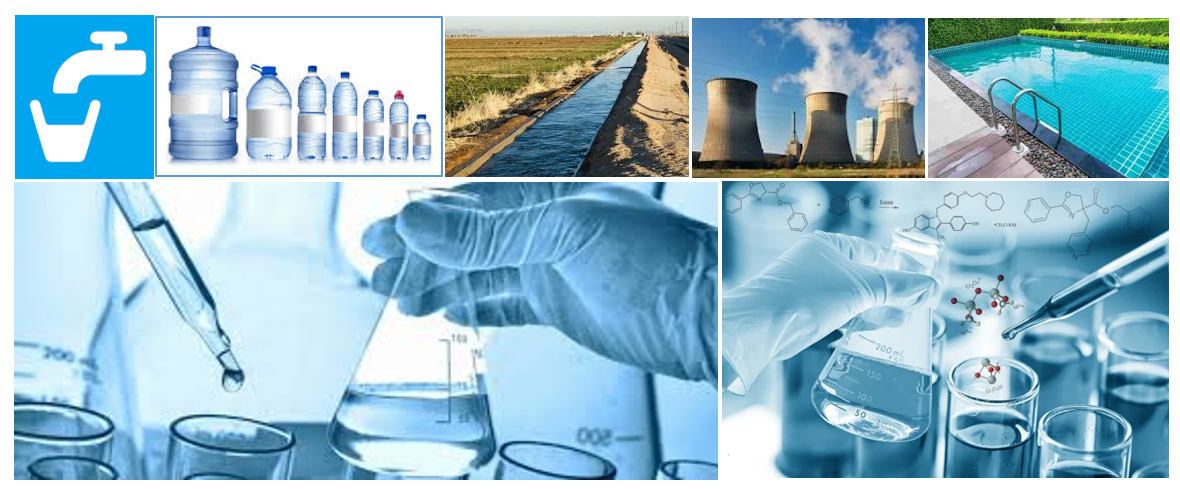
Water and wastewater analysis aims to protect public health and environment while ensuring operational efficiency and regulatory compliance. This is achieved through systematic examination of physical, chemical, biological, and microbiological properties to verify safety and quality standards.
Water Quality Studies
A comprehensive laboratory support is available for assessment of water quality across a broad spectrum of applications, including
- Potable use (human consumption): Drinking Water from Source & Filtration System, Packaged Drinking Water, Packaged Natural Mineral Water.
- Irrigation and horticulture
- Recreational activities (such as swimming pools)
- Construction activities
- Industrial use (including industrial process, cooling systems, and boiler feed)
- Various other specialized requirements to ensure fitness for intended purpose
- Evaluation of Water Quality Field Test Kits
- Evaluation of Water Filtration Devices
Wastewater and Effluent Characterization
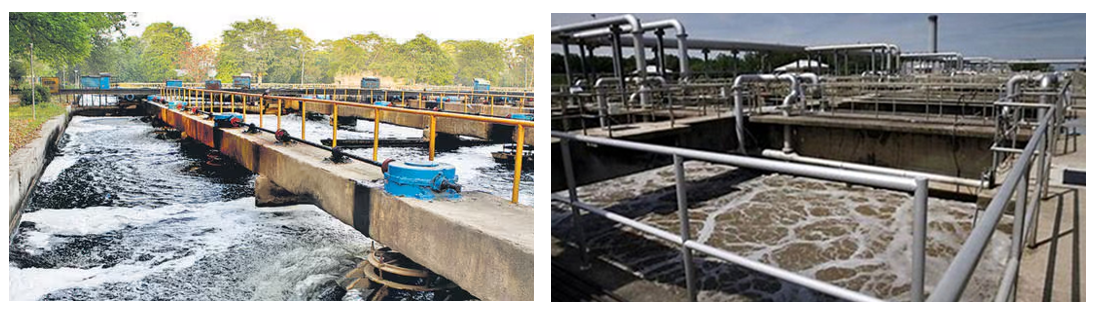
Laboratory facilities are available for the quality assessment of a wide range of wastewater, ensuring environmental protection, legal compliance, and operational efficiency. These services typically covers flow measurements, sampling, and analysis of physical parameters, aggregate organic properties/ pollutants, nutrients load, priority pollutants & toxic substances, microbiological contaminants, and biological indicators. Major support is provided for performance evaluation, adequacy studies, and process control studies of
- Sewage Treatment Plants (STPs)
- Effluent Treatment Plants (ETPs)
- Common Effluent Treatment Plants (CETPs)
Air, Emission and Noise Monitoring
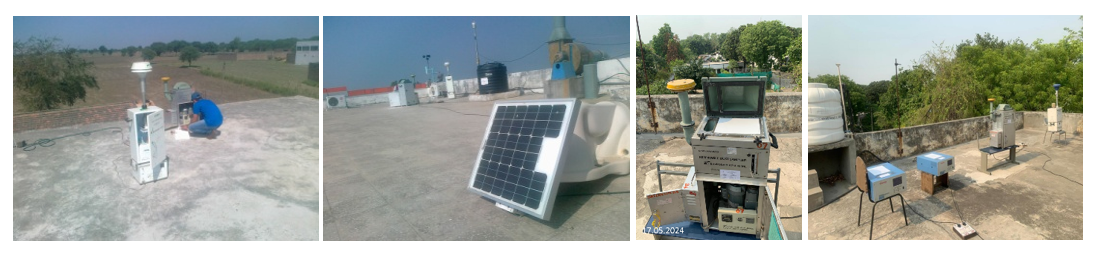
Ambient air, indoor air, source emissions, and noise monitoring aim to protect public health and the environment by identifying pollutant levels, ensuring regulatory compliance, and supporting pollution control strategies. While ambient air monitoring focuses on the general environment, indoor air monitoring addresses the immediate breathing zone of occupants, source emissions target the origin of pollution, and noise level monitoring helps to manages acoustic impact.
Ambient Air Quality Monitoring
Adequate facilities are available to monitor all critical pollutants identified by the National Ambient Air Quality Standards (NAAQS) and additional hazardous compounds; this enables the development of baselines and assessment of status regarding regulatory compliance. The core Pollutants being monitored are
- Particulate Matter: PM10 and PM2.5
- Gaseous Pollutants: Nitrogen Dioxide (NO₂), Sulphur Dioxide (SO₂), Ozone (O₃), Carbon Monoxide (CO), etc.
- Chemical Compounds and Heavy Metals: Ammonia (NH₃), Lead (Pb), Nickel (Ni), Arsenic (As), etc.
- Organic Pollutants: Polynuclear Aromatic Hydrocarbons including Benzo (a) pyrene (BaP)
- Volatile Organic Compounds (VOCs): Benzene, Toluene, Xylene, Ethylbenzene, etc.
- Hazardous Air pollutants inclusive of Semi-volatile Organic Compounds are monitored considering specific requirement
Emissions Monitoring from Stationary Sources
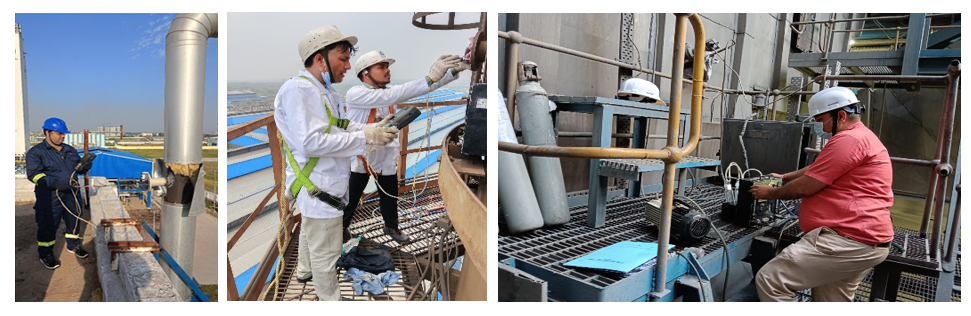
Adequate facilities exist for monitoring and quantification of emissions from stationary sources (boilers, furnaces, chimneys, industrial processes) and occupational work zone areas; generation of detailed emission inventories to ensure compliance with regulatory reporting standards; and assessment of the efficiency and adequacy of pollution control technologies, such as electrostatic precipitators (ESPs), scrubbers, bag filters, and flue gas desulfurization (FGD) systems. The emissions studies conducted for various parameters including adequacy of APCD for following plants/ sectors:
- Coal Fired Boilers of Thermal Power Plants
- Blast Furnaces; Coke Ovens; Sintering Plants; Pickling Units etc. of Steel Plants
- Non-recovery type coke ovens
- Induction/ Electric Arc Furnaces
- Smelters Units, CPP of Aluminum Plants
- Re-heating furnaces of foundries.
- Clinkers/ kiln, crushers, grinding units, etc. of cement plants.
- Grate/ Fluidized Bed/ Rotary Kiln Incinerators of Solid and Hazardous Waste Incineration Plants.
- Catalytic Recovery Units, Crude Distillation Units, Heat Recovery Units, Sulfur Recovery Units etc. of Petroleum Refineries.
- Dryers, Roasters, Fryers etc. of Food Processing Units
- Paint Booth of Automobile and Other Industries
- DG Sets
- Work Zone and Diffused Emission Sources
- Other Plants/ Processes
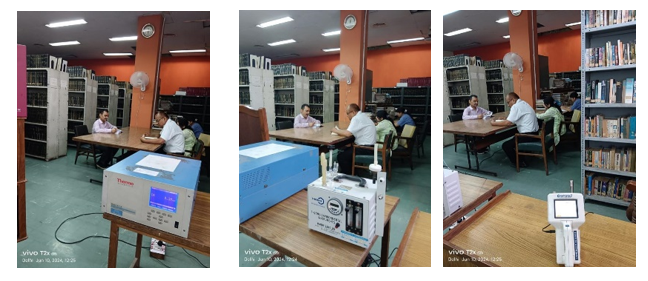
Indoor Air Quality Studies
A complete setup (laboratory based and onsite) is available for Indoor Air Quality (IAQ) monitoring, which is governed by three primary frameworks, each with distinct focus: ventilation requirements as per ASHRAE standards for commercial buildings; public health requirements as per WHO Air quality Guidelines; and occupational safety requirements as per OSHA regulations.
Key Pollutants Measurement includes PM2.5, PM10, CO2, VOCs, formaldehyde, etc. and microbiological contaminants like total bacterial and fungal count using onsite calibrated instruments. The IAQ monitoring services covers wide range of facilities, including
- Office Premises, Commercial and Institutional Buildings
- Industrial Establishments such as factories and warehouses
- Healthcare Facilities including Operation Theaters (OTs), and Outpatient Clinics
- Trade Centers, Educational Institutions, and Housing Complexes
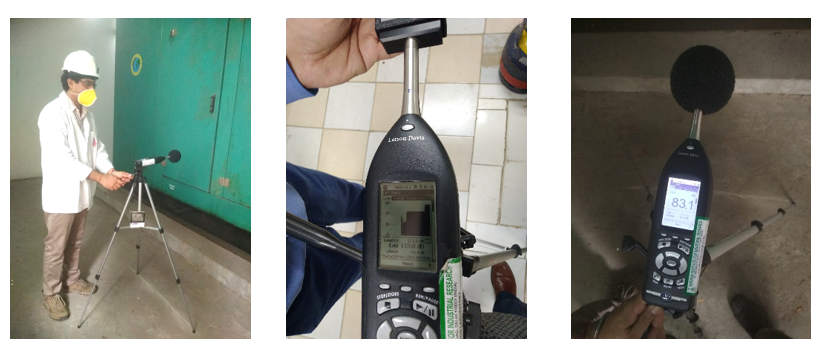
Ambient and Industrial Noise
A complete setup (laboratory based and onsite) is available for
- Ambient Noise Level Monitoring: Measuring noise in urban, industrial, and residential zones using indices such as Leq, Lmax, and L90 to identify sources and pattern.
- Noise Mapping and Impact Assessment: Developing noise contour maps with GIS tools to visualize spatial distribution to develop urban planning decision support system.
- Industrial Noise Monitoring: Assessment of machinery, DG sets, and production line noise to ensure compliance with occupational health and safety regulations and development of mitigation strategies.
- Construction Site Noise Monitoring: Supporting building and construction sector by conducting real-time noise monitoring with expert opinion on equipment scheduling to minimize the impacts on environment and ecology and to ensure regulatory compliance.
- Noise Pollution Impacts and Risk Assessment: Evaluating occupational health and environmental risks due to noise exposure and suggesting interventions to mitigate the impacts.
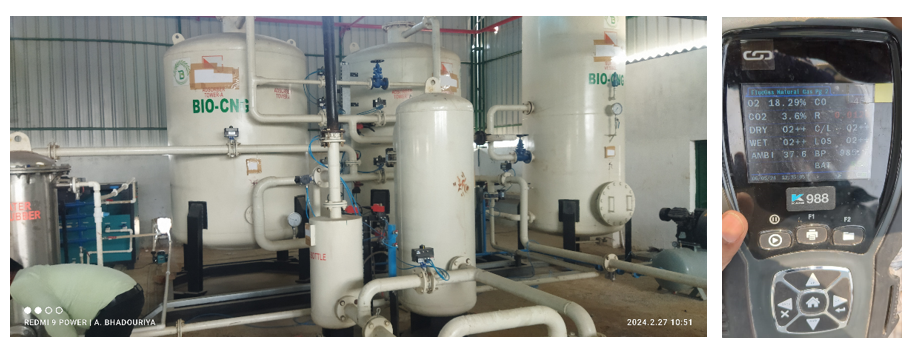
Industrial Gases
Specialized facilities available for Purity and Compositional Analysis of Industrial Gases – specifically Oxygen (O2), Nitrogen (N2), Carbon dioxide (CO2), Compressed/ Piped Natural Gas (CNG/PNG), Acetylene, Methane, Raw Biogas, and upgraded Compressed Biogas (CBG) – is critical for ensuring safety, efficiency, and quality for industrial applications. Rigorous and real-time monitoring of these gases is essential to prevent equipment corrosion, ensure optimal combustion, and to strictly meet the regulatory standards. Whether used as fuel or raw feedstock, the precise determination of composition ensures high-quality output and maintains operational safety across wide range of industries.
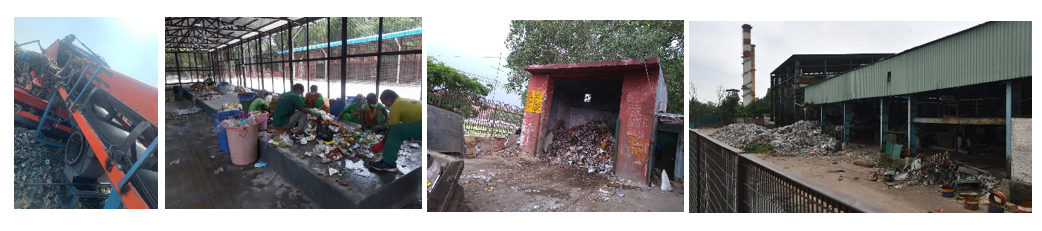
Solid and Hazardous Wastes
A complete setup is available for
- Characterization of Solid Waste (Physical, Chemical, Toxic Metals, Semi-VOCs, VOCs etc.); Proximate and Ultimate Analysis as per EPA, ASTM, APHA and CPHEEO protocols/ guidelines.
- Characterization of Hazardous Wastes for all 38 processes and over 120 types of wastes (Schedule-I); Over 80 parameters and Hazardous Characteristics Classes (Schedule-II); suitability of used oil for recycling and fuel derived from waste oil (Schedule-V) and Detailed Interpretation as per the Hazardous and Other Wastes (Management and Transboundary Movement) Rules.
- Toxicity Characteristic Leaching Procedure (TCLP) and Soluble Threshold Limit Concentration (STLC), regulatory tests used to determine if waste is hazardous by measuring the mobility of toxic substances.
- Characterization of Composts and Manure.
- Development of Solid Waste Management Plans for Cities and Industrial/ Commercial Establishments.
- Landfill Gas Composition Studies
- Plastic Waste Assessment and Characterization
- Assessment and Quantification of Single Use Plastics (SUPs) in waste Stream.
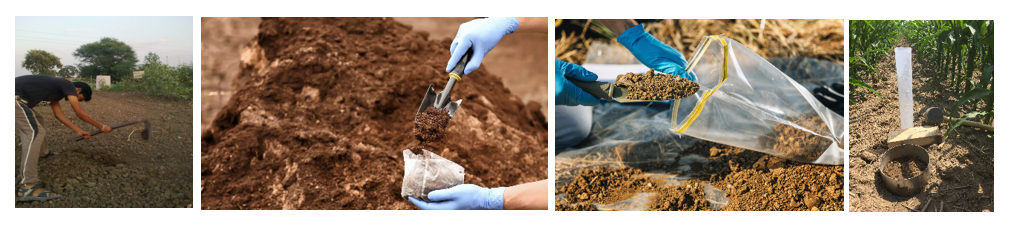
Characterization of Soil
A complete laboratory and field facilities exist for characterization of soil to assess its suitability for intended use by evaluation of
- Physical Properties: Texture, Classification, Compaction, Porosity, Permeability, Water Holding Capacity, Swelling Pressure, Free Swell Index, Moisture, Voids Ratio, etc.
- Chemical Properties: Salinity, Cation Exchange Capacity, pH, Electrical Conductivity, Sodium Adsorption ratio, organic Matter, C/N Ratio, Nutrients, Chemical Composition, etc.
- Contaminants: Leachability Studies, Heavy/ Toxic Metals, VOCs, and Semi-VOCs
- Strength Stability, Index Properties, and Geo-technical Studies